161. That when we live no more, we may live ever
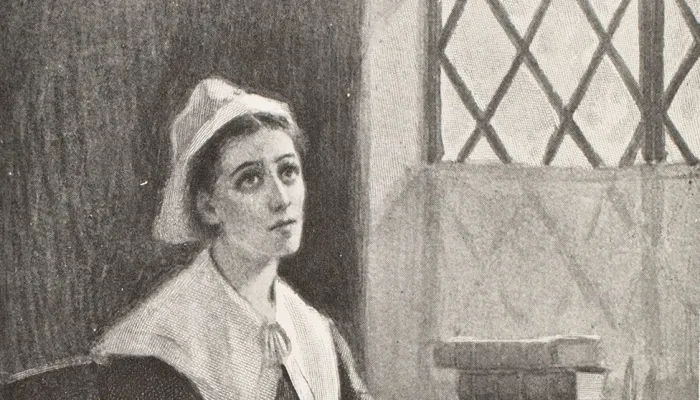
Anne Bradstreet (1612-1672) was the first woman to gain recognition as an accomplished poet in the New World. Her work has stood the test of time, and she remains one of the most significant early American poets.
Her collection of poetry, The Tenth Muse Lately Sprung Up in America, received significant acclaim when it was first published in London in 1650.
In 1630, eighteen-year-old Bradstreet arrived in Massachusetts with her new husband, her father, and a group of Protestant dissenters, marking the initial wave of settlers in the New World.
Two years later, she authored her first poem, "Upon a Fit of Sickness," during her recovery from a prolonged illness. After that, she did not write another line for the following six years.
Between 1638 and 1648, Bradstreet authored over six thousand lines of poetry. As biographer Charlotte Gordon observes, she wrote more than nearly any other English writer on both sides of the Atlantic during their entire life.
Gordon further states, "Throughout most of this period, she was either pregnant with her eight children, recovering from childbirth, or nursing an infant."
She pondered her verse all day, balancing childcare, preparing meals, and overseeing the female servants. Yet, she reserved writing for the night, the only time she found solitude. As she mentioned in a letter, "The silent night's the fittest time for moan."
On such a night, she composed a poem titled “To My Dear and Loving Husband.”
Read the poem -
If ever two were one, then surely we.
If ever man were lov'd by wife, then thee.
If ever wife was happy in a man,
Compare with me, ye women, if you can.
I prize thy love more than whole Mines of gold
Or all the riches that the East doth hold.
My love is such that Rivers cannot quench,
Nor ought but love from thee give recompetence.
Thy love is such I can no way repay.
The heavens reward thee manifold, I pray.
Then while we live, in love let's so persever
That when we live no more, we may live ever.