169. My thoughts are never far from you
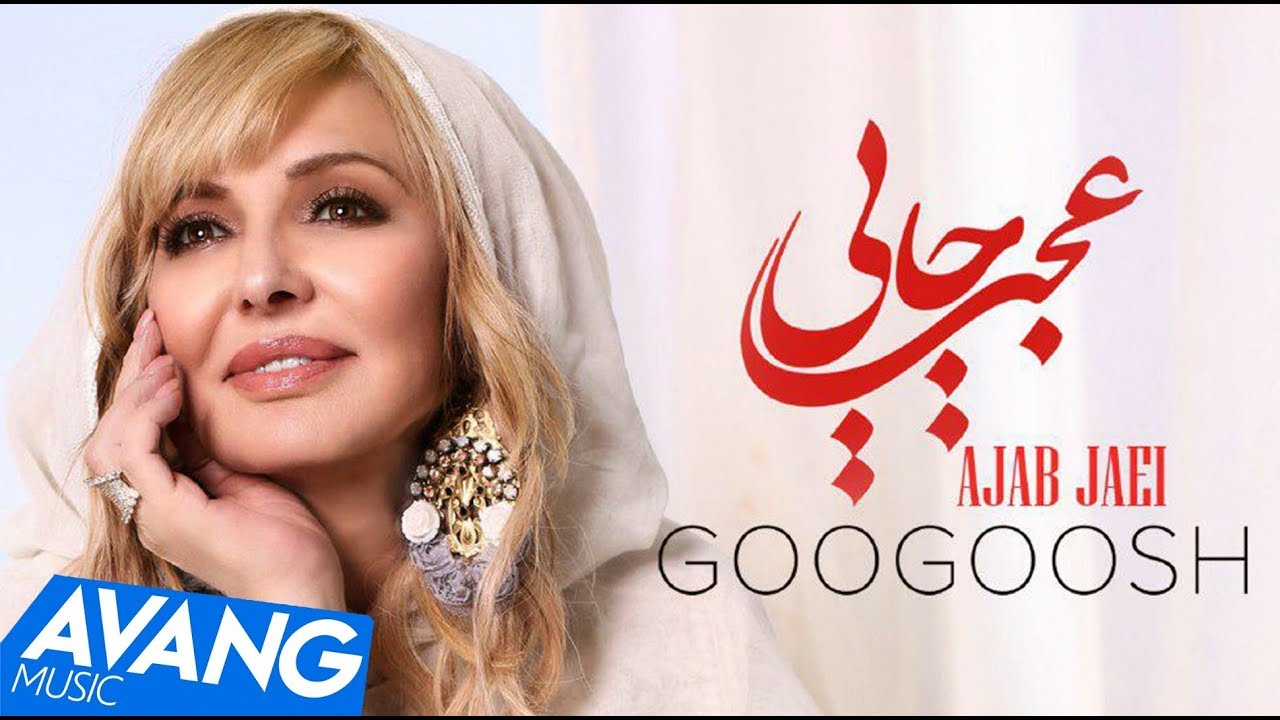
Googoosh, a 75-year-old Iranian superstar, rose to fame in Iran in the 1970s but was silenced when the Islamist regime took power following the 1979 Islamic Revolution. Now she lives in exile. She is known as the “Voice of Iran”.
By the mid-1970s, she had become the most recognizable figure of Iran’s pre-revolutionary popular culture.
Young Iranians imitated her hairstyles. She performed, posed, and sang recordings in English, French, Italian, Spanish, Arabic, Turkish, and Persian.
Googoosh represents a period of cosmopolitanism in late-Pahlavi Iran, from the mid-1950s to 1979, when Iran’s popular music, cinema, television, and fashion embraced modern styles and challenged social norms.
For the Islamic Republic, music was seen not as an art or profession but as a provocation and a moral outrage.
The friend who, in an email, has written to me about her writes, “For Iranians inside and outside Iran, she has served as a canvas for projecting nostalgia for pre-revolutionary Iran, recalling ruptures and losses, and imagining resistance.”
In December 2025, she released her memoir, “Googoosh: A Sinful Voice.” She discusses how revolutionary hostility targeted not just popular culture but pleasure itself, especially when women embraced, celebrated, or expressed it.
Googoosh was set to perform at a concert, but now she says, “Everyone is waiting for my last concert in LA, but … I am not going to sing until my country is rescued.”
I have seen her performance, and it is wonderful. I invite you to watch her performance on YouTube.
I am more fascinated with Hossein Gol-e-Golab, the Iranian lyricist and composer, who wrote “Ey Iran,” an anthem in 1944.
I was set to music by Ruhollah Khaleqi and first performed by the classical Persian singer Gholam-Hossein Banan.
Hossein Gol-e-Golab has been quoted as saying: “In 1944, the footsteps of the invading armies in the streets were enough to rattle any patriot and inspired me to write this anthem. Despite all the political opposition, it found its way into the hearts and souls of the people.”
Read the entire song, loosely translated into English.
O Iran, O bejeweled land, O, your soil is the wellspring of virtues
Far from you may the thoughts of evil be
May you remain lasting and eternal
O enemy, if you are of stone, I am of steel
May my life be sacrificed for the pure soil of my motherland
Since your love became my calling
My thoughts are never far from you
In your cause, when do our lives have value?
May the land of our Iran be eternal
The stones of your mountains are jewels and pearls
The soil of your valleys is better than gold
When could I rid my heart of your affection?
Tell me, what will I do without your affection?
As long as the turning of the earth and the cycling of the sky lasts
The light of the Divine will always guide us
Since your love became my calling
My thoughts are never far from you
In your cause, when do our lives have value?
May the land of our Iran be eternal
Iran, oh my green paradise
Bright is my fate because of you
If fire rains on my body
Other than your love, I will not cherish in my heart
Your water, soil, and love molded my clay
If your love leaves my heart, it will become barren
Since your love became my calling
My thoughts are never far from you
In your cause, when do our lives have value?
May the land of our Iran be eternal