280. Replicating anything Singaporean
Singapore is considered Asia's most modern city, populated by ultra-wealthy individuals from neighboring countries.
According to the S&P Global Singapore Purchasing Manager’s Index, the private-sector economy is continuously strengthening, driven by a historic rise in new business. Business confidence has peaked, backed by strong new-business prospects.
I've been listening to many entrepreneurs in Mumbai, mainly in the financial sector, who aspire to move to Singapore and keep running their businesses from there. Some have already made the move.
Despite relocating to a nicer place, some of them continue their sneaky tactics because old habits die hard. For example, Mr. T. Subash Indrajith, an Indian gentleman and vehicle import businessman, was fined over USD 785,314 and sentenced to two months in jail for offenses related to undervaluing imported vehicles under the Customs Act. The offenses include fraudulent evasion of Goods and Services Tax and duty evasion on 34 imported vehicles.
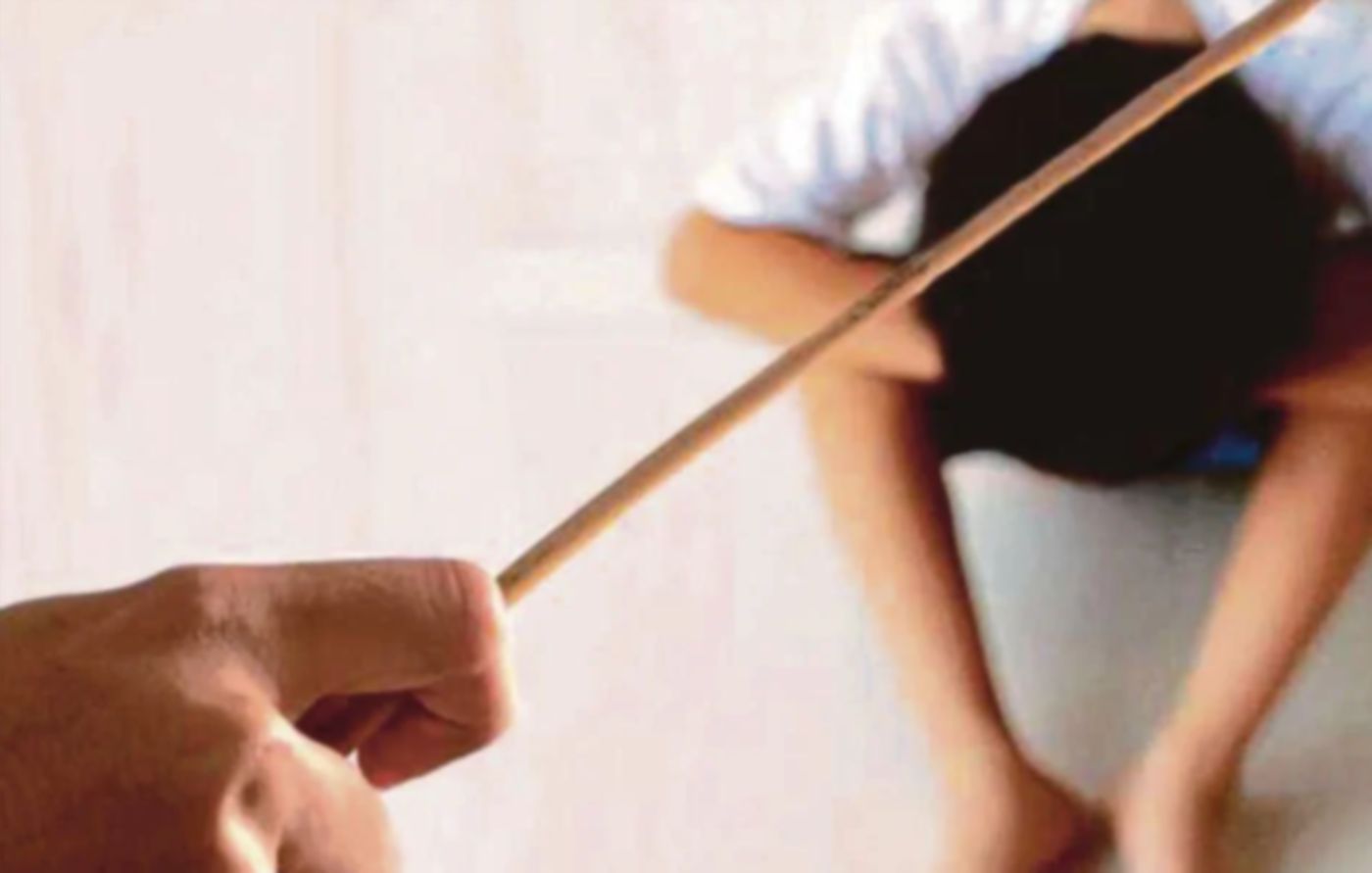
But that is not my point today. I read the news today that Singapore has introduced a new rule to punish students who bully others, including through cyberbullying. Under the new guidelines, they can face caning as a last resort. Male students can face up to three strokes of the cane under the new rules.
And I thought those bleak days when students endured such harsh punishments were behind us. I believed that the world had progressed, especially with the ongoing research on child psychology published annually in large numbers.
The education minister said that caning would be applied only if all other measures are inadequate, that it must be approved by the principal, and that it must be administered only by authorized teachers.
Authorised teachers? I assume they will receive special training in the art of canning.
The measures follow a year-long review that focused on bullying, and come after several high-profile school bullying incidents drew public attention last year.
Caning will only be used as a punishment for male students in upper primary levels (age 9-12 years) and above, he pointed to the country’s criminal procedure code, which prohibits the caning of women.
After the caning is imposed, the school would monitor the student’s well-being and progress.
Female students would receive punishments such as detention and/or suspension, adjustment of their conduct grade, and other school-based consequences.
Judicial caning was first introduced by British colonialists in the 19th century and, as you’re aware, continues to be used in Singapore for male offenders under 50. This includes crimes such as robbery, scamming, or overstaying a visa by 90 days.
International groups such as UNICEF, the UN’s agency for children, oppose the use of corporal punishment for children, saying it harms their physical and mental health and increases behavioral problems over time.
Prime Minister Narendra Modi has been highly impressed by its development since he was Gujarat's chief minister.
An urban garden inspired by Singapore's ‘Gardens by the Bay' is now scheduled for development along Ahmedabad's Sabarmati Riverfront. The garden will showcase approximately 110 tree varieties, with a design that integrates glass elements. It will also include a skywalk, fountains, artificial cloud effects, and specialized lighting to enhance the experience.
I am genuinely concerned that this news isn't reaching the Indian authorities, who are masters at replicating anything Singaporean.