320. Will I meet you tomorrow?
Today, during a phone call, my friend and ideator, Ashok Jainani, mentioned that war is politics by other means. He provided a thorough explanation, and I completely agree.
War serves as a way for politicians to display strength and boost their ego. Otherwise, war is purposeless. It has never resolved a problem; instead, it has only worsened it.
Its impact has always been felt by the common man. As Mahmoud Darwish wrote, “The wars will end, and the leaders will shake hands, and that old woman will remain waiting for her martyred son, and that girl will wait for her beloved husband, and the children will wait for their heroic father. I do not know who sold the homeland, but I know who paid the price.”
Yes, the price has always been paid by innocent people.
I wrote an article, Ten Thousand Stories, way back in 1991. It pertains to Holocaust survivors and the Kindertransport.
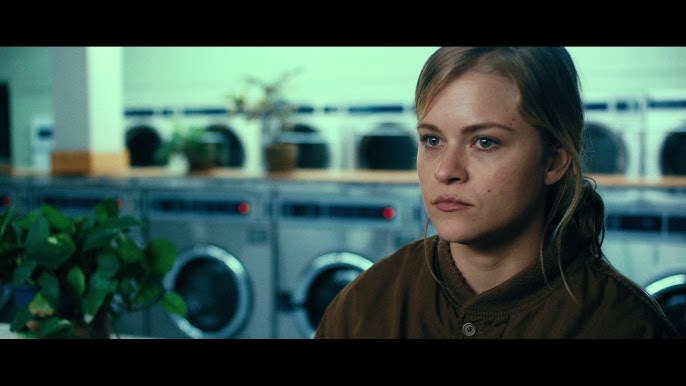
While reading a message from a friend in London, I recalled that article. The message included an attachment—a 20-minute short film titled “Maybe Tomorrow.” The film’s lead, Jennifer Beatty, won the Best Actress award at the Desertscape Film Festival for her role.
Originally from Syria and now based in Berlin, activist Wafa Mustafa teamed up with her childhood friend, documentary filmmaker Waad Al-Kateab, who co-directed the BAFTA-winning film For Sama. Together, they created this short documentary, titled after the Umm Kulthum song featured in the film.
I had watched For Sama, which increased my curiosity, so I watched the film.
The story is simple. A young woman facing hardship becomes a caregiver after rescuing her niece, Z, from her drug-dependent mother. With no place to stay, she begins stealing packages, planning to sell them to afford a room. Her first attempt fails, but she eventually finds something she can sell.
But behind this simple story lies the pain and anguish of so many people who have lost their loved ones to war and terrorism.
Wafa Mustafa is one of many Syrians who have spent years unsure about what happened to their loved ones. Her father went missing during Assad's regime, turning her search for answers into a story of memory, identity, and resilience.
This common experience extends the story's significance beyond the personal level.
In an interview, Wafa Mustafa reminisces about her childhood in Syria, where her father constantly played Umm Kulthum's music at home, humming along to the iconic Egyptian singer’s melodies.
One day, to encourage his daughter to appreciate music, he asked her to take a pen and paper and write down the lyrics of a song she enjoyed. Eager to impress him, Mustafa chose an Umm Kulthum song titled “Aghadan Alqak,” which means “Will I meet you tomorrow?”
“The lyrics are literally about someone who’s gone, about the waiting for them and the love you have for them. It feels like I knew what was coming … as if I had manifested my life since I was very young,” says Mustafa.
In 2013, amid the widespread pro-democracy protests in Syria, Wafa Mustafa’s father was taken from their Damascus home by armed men and disappeared. That was the last time she saw or heard from him. Mustafa, then 23, has since hoped for a future in which she can reunite with her father or at least learn what happened to him. Maybe Tomorrow portrays ‘the violence of waiting’ that families endure.
Mustafa’s situation is not uncommon in Syria.
The Syrian Network for Human Rights reports that over 177,000 people were forcibly disappeared in Syria from 2011 to 2025. Most were arbitrarily detained and taken to infamous prisons by forces loyal to Bashar al-Assad or other armed groups, where many endured torture or death.
Maybe Tomorrow is at once a deeply personal act of love and a quiet form of resistance; the film is rooted in the everyday reality of carrying on when closure feels impossibly out of reach.
The most shocking part of her interview is: “Now, under the new ruler Ahmad al-Sharaa, all of these crimes did not end with Assad fleeing the country and the downfall of the Assad regime. Massacres and enforced disappearances have continued under Syria’s new leader,” says Mustafa.
Donald Trump must listen to it and admonish his friend, Mr. Ahmad al-Sharaa.
He should also reflect on how many people have been killed by his bosom friend Benjamin Netanyahu in Gaza and Lebanon. He should also call his other friend, the Russian counterpart Vladimir Putin, to take time to count the dead soldiers and civilians on both sides of the border.
Each person who died, whether soldier or civilian, has left a story behind – a Wafa Mustafa, who will feel the pain all her life. And what has been the outcome of these wars and conflicts? No one has an answer.