261. Ever heard of a death doula?
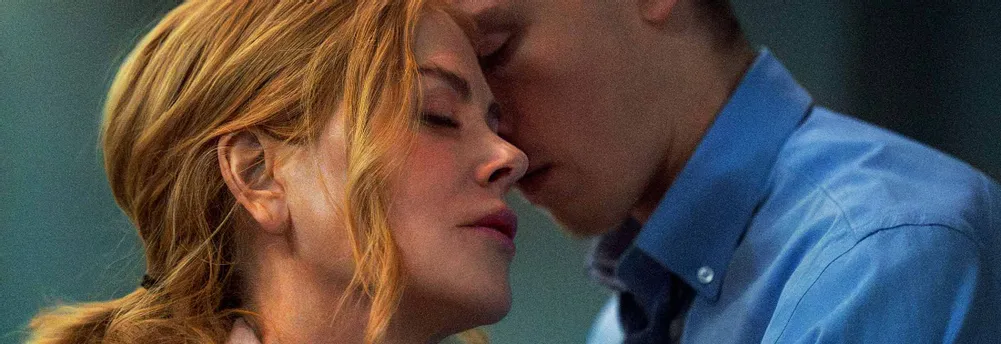
I was pleased when Nicole Kidman won the Best Actress Award for her role in Babygirl at the 2024 Venice Film Festival, because I believed she was at her best. I also felt sad that she couldn't accept the award in person because of her mother's passing.
At least, I was unaware of this term until I read a news item in which the Australian actress revealed that her next role is as a death doula. She says she is now training to become one.
No, she is not referring to her next film role.
Death doulas are professionals who offer emotional, physical, and psychological support to individuals who are dying. A doula also supports mothers during pregnancy and childbirth in a non-medical capacity.
Death doulas have gained popularity in recent years, as shown in an episode of The Pitt, and some people prefer to call them “end-of-life doulas."
Kidman said the idea of becoming a death doula came to her after her mother died. She reflected on her mother's passing, describing her loneliness and the limited support from family. With many children, careers, and work, she and her sister wanted to care for her, especially since their father was no longer alive. She expressed a wish for impartial people who could offer genuine solace and care.
The dictionary defines a doula as “a professional who assists mothers during pregnancy and childbirth. Unlike midwives, doulas do not perform medical duties; instead, their primary role is to provide emotional, physical, and psychological support.”
Surprisingly, the term doula comes from Ancient Greek, where it meant a slave woman or a maid. This individual not only helped during the birthing process but also provided support before and after the birth.
The term is still in use in the Greek language today, but its meaning has changed. These are household slaves who tend to the intimate needs of the household's mistress and master.
I feel the word death has recently been prefixed to coin it to refer to a trained person who provides a dying individual and their family with assistance and resources.
The practice began in the US natural childbirth movement during the 1970s, alongside techniques like Lamaze and growing interest in alternative birth options such as water births and home births.
End-of-life doulas are sometimes called death doulas, and they operate on the same principle as birth doulas: they offer support to those who are dying.
In principle, a death doula considers that dying isn’t just medical, it’s spiritual. They work with the dying and their families to educate and explain what’s happening, including that what they’re seeing is part of the dying process.
Doulas initiate conversations about death and loss, and assist clients in planning for the end of life by exploring their preferences and how they picture their final day. Some may want to die in a hospital, while others prefer to be at home.
They also ask the dying person to decide who will be present - family, friends, a religious figure, or alone - and to provide other specific details, such as music, holding hands, and whether to include religious or secular rituals. As death approaches, doulas are tasked with maintaining a sense of calm for the dying and those around them.
I believe that caring for the dying has been present in the East for as long as human civilization has existed, though it might be unfamiliar or unknown to the West as a distinct phenomenon.
Nicole Kidman has always surprised us with her bold moves. I remember her saying when she was at the peak of her career, “I have turned down films to do TV because I love the seven hours of exploring a character, and it reaches more people. It costs so much money to make films and to market them and get them out there that they do have to be events or superhero movies.”
And we believed her, as we believe her, in what she is now intending to do. And she is not the first - Oscar-winning director Chloé Zhao also trained as a death doula.