249. Revisiting the darker chapters of American history
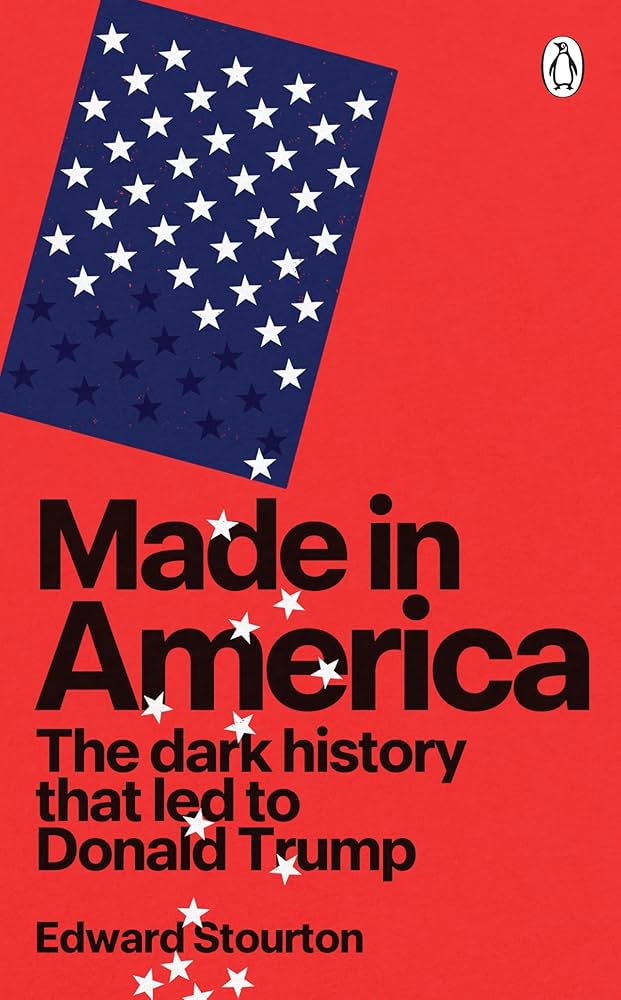
“Made in America: The Dark History that Led to Donald Trump” is a recently released book by Edward Stourton.
He writes in his introduction that many people feel some affection for the USA because the country is known for its vibrancy and lofty ideals, with symbols such as jazz, Bogart and Bacall, Harriet Tubman, and Hamilton. It was founded on anti-colonial and liberty principles, with the Declaration of Independence declaring that “all men are created equal.”
However, why does this same nation often make absurd political choices, display racism domestically and internationally, and pursue imperial ambitions in regions like Greenland and Canada? Why does it frequently ignore the global order it helped establish?
And why did it once again select Donald Trump as its leader?
He explores Trump and Trumpism from a historical perspective, suggesting that the 47th President is not an anomaly in American history but reflects darker, frequently ignored aspects of the nation’s past. He ultimately considers Trump “as American as apple pie”.
Stourton investigates six essential aspects of Trump and Trumpism, encompassing religion, imperialism, immigration, tariffs, political persecution, and the methods the president uses to wield power.
Many Christian nationalists form a significant portion of the Maga supporters. How can anyone claim to uphold Christian values while supporting someone so openly venal, corrupt, and immoral?
Territorial expansion was a key ambition for the US throughout much of the 19th century, with the Louisiana Purchase of 1803 serving as a foundational moment. Thomas Jefferson acquired 530 million acres from Napoleon, land that now comprises parts or all of 15 modern US states. This purchase nearly doubled the country's territory overnight.
Four decades later, the US government undertook another significant land acquisition, compelling Mexico to cede over half of its territory. This included regions now known as California, Nevada, Utah, most of Arizona and New Mexico, along with parts of Colorado, Wyoming, and Oklahoma.
During the 19th century, approximately 20 episodes of American expansion occurred, including two efforts to annex Canada.
In 1798, John Adams signed the Alien and Sedition Acts, which allowed him to imprison or banish foreigners without trial, and banned “false and malicious” writings against the president and the government.
Andrew Jackson, the seventh President of the United States, is labeled a monster by Stourton and is considered a hero by Trump. Jackson supposedly declined to enforce a Supreme Court decision he opposed, allegedly remarking about the chief justice: “John Marshall has made his decision; now let him enforce it!”
Tariffs? President William McKinley increased import duties to about 50%, a “Trumpian level,” leading to disastrous consequences for the Republican Party.
Stourton contends that Trump is a direct result of American history, representing a contemporary version of the illiberal, imperialist tradition in US politics that sharply contrasts with the Constitution's core values. He highlights that understanding Donald Trump necessitates a thorough grasp of America’s past. In the end, he claims, “you cannot understand America without understanding Trump.”
A very interesting book.